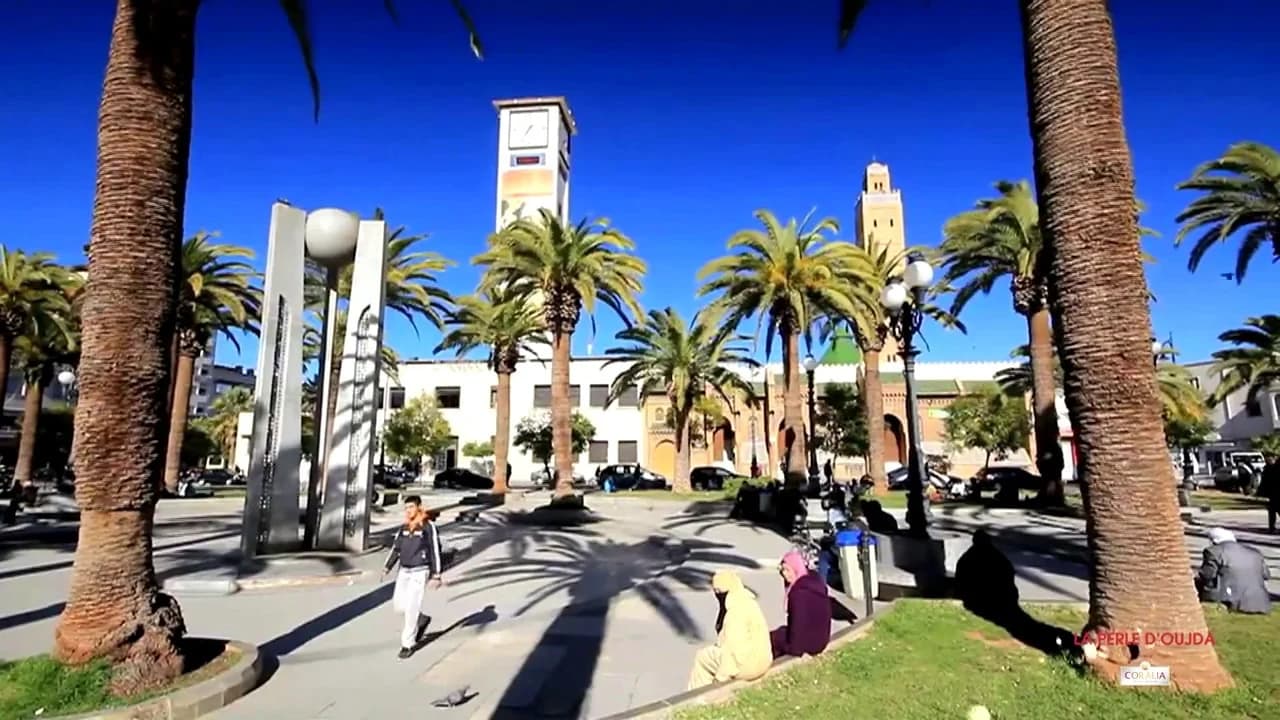
At the crossroads of Morocco and Algeria, Oujda stands as a city of history, culture, and trade a place where the desert meets fertile plains, and centuries of civilization whisper through bustling streets. Its name echoes through time as a hub of commerce, music, and Moroccan tradition, where medina souks overflow with spices, textiles, and the colorful pulse of daily life. Beyond the markets, Oujda tells a story of resilience, artistry, and the vibrant heartbeat of eastern Morocco. On a Morocco tour with MSITravels, Oujda opens its doors to travelers seeking authentic experiences. Explore the historic medina, visit centuries-old mosques, and stroll through plazas that have witnessed generations of artisans and traders. Surrounded by rolling plains and close to the eastern Saharan edge, it serves as a starting point for eastern Morocco tours and cultural adventures off the typical tourist trail.
28–38°C (82–100°F)
5–15°C (41–59°F)
Feb–May and Sep–Dec
Low to moderate
Oujda Morocco is the cultural capital of eastern Morocco and an emerging destination for travelers seeking authentic Moroccan experiences beyond the main tourist circuits. Located near the Algerian border, Oujda has long served as a trade and cultural crossroads in the Oriental region. The historic Oujda medina features traditional souks selling spices, textiles, and handmade crafts, while landmarks such as Sidi Yahia Mosque and Place Zekkak reflect the city’s architectural heritage. Guided city walks reveal Andalusian influences, historic gates, and public squares that preserve the character of eastern Moroccan life. Oujda is also known for its musical traditions, particularly Gharnati music, which reflects Andalusian roots unique to this region. Its location makes it a convenient starting point for travelers arriving at Oujda Angads Airport and exploring eastern Morocco itineraries, including Saidia beaches, the Beni Snassen Mountains, and cross-regional cultural routes. Local cuisine highlights traditional Moroccan tagine, couscous, regional pastries, and mint tea enjoyed in relaxed cafés throughout the city. Best time to visit Oujda: Spring (Feb–May) and autumn (September–December) offer comfortable weather for medina exploration and nearby countryside excursions.
Feb–May and Sep–Dec
Founded in the 10th century, Oujda has long served as a strategic crossroads between Morocco and Algeria, shaping its identity as a historic eastern trade and cultural gateway.
Famous for its refined eastern Moroccan cuisine, Oujda is known for spicy merguez, traditional couscous, and Andalusian-influenced pastries.
Blending Moroccan and Andalusian heritage, Oujda is celebrated for Gharnati music, lively festivals, and a vibrant medina culture rooted in cross-border traditions.
No tours available at the moment.
