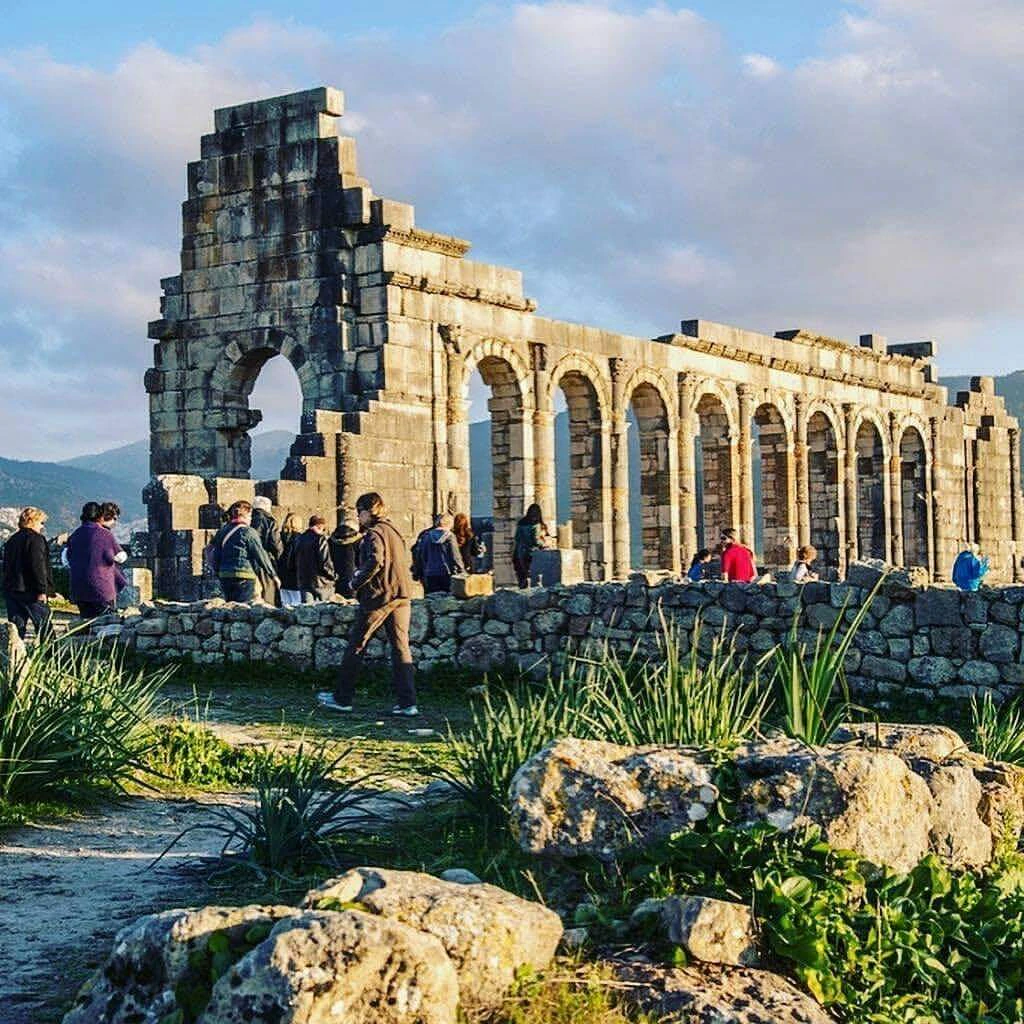
Set beneath the Zerhoun hills, Volubilis opens a window onto Morocco’s ancient history. Columns rise above the remains of streets and houses, a monumental arch stands against the sky, and mosaics preserve traces of the artistry that once decorated private residences. The open countryside gives the site a distinctive atmosphere, with long views beyond its weathered stone buildings. Although best known for its Roman ruins, Volubilis has a history that reaches beyond the Roman period. Its archaeological remains reflect successive communities and cultural influences, from its pre-Roman origins through the early Islamic era. Recognized as a UNESCO World Heritage Site in 1997, it is an important place for understanding the depth and diversity of Morocco’s heritage. On a Morocco tour with MSITravels, a visit to Volubilis adds a different chapter to the experience of imperial cities and historic medinas. Walk through the ancient settlement, examine its surviving details, and discover how this city connected North Africa with the wider Mediterranean world.
30–34°C (86–93°F), with hotter spells possible.
15–17°C (59–63°F), with chilly nights around 5°C (41°F).
September–May
Seasonal rainfall mainly from autumn to spring, with wetter winters and mostly dry summers.
Volubilis rewards both dedicated history enthusiasts and travelers encountering Roman archaeology for the first time. The remains allow you to consider a city at several scales, from large public monuments to the decorative details of individual homes. Its location near Meknes and Moulay Idriss Zerhoun also makes it a useful addition to a cultural itinerary. Together, these places introduce different periods of Moroccan history and offer a varied day of archaeological exploration, town visits, and countryside views.
Ancient Mosaics
The mosaics are among the highlights of a Volubilis visit. Surviving within the remains of former residences, they offer a closer look at the tastes, craftsmanship, and visual culture of the people who lived here.
Pause to examine their patterns and figures rather than moving quickly between monuments. A knowledgeable guide can explain the imagery and help you understand the rooms and houses to which the mosaics belonged.
The Triumphal Arch and Columns
The triumphal arch is one of the site’s most recognizable monuments. Along with the surviving columns and temple remains, it gives a sense of the ambition and scale of the ancient city.
These structures also create strong photographic compositions against the surrounding landscape. Leave time to view them from different angles as you move through the site.
Streets and Residential Remains
Some of the most interesting moments at Volubilis come from looking beyond its major landmarks. The arrangement of streets and houses encourages you to imagine the practical workings of a city: how residents moved around, organized their homes, and used shared spaces.
Exploring with a guide can help connect these fragments into a clearer picture of daily life.
Combine Volubilis with Meknes and Moulay Idriss
Volubilis lies approximately 28 kilometers from Meknes, while Moulay Idriss Zerhoun is around four kilometers from the archaeological site. This proximity makes the three destinations practical companions on a regional itinerary.
For a balanced day, combine time among the ruins with a visit to Moulay Idriss and selected sights in Meknes. Travelers staying in Fes can also consider this combination as a day excursion, allowing sufficient time for the road journey and each stop.
How Long Do You Need at Volubilis?
We suggest setting aside around two hours for a guided introduction, with extra time if you enjoy archaeology or photography. A shorter visit can cover the main monuments, but a more relaxed pace leaves room to appreciate the mosaics and residential areas.
If you are combining several destinations, avoid giving Volubilis only a brief stop between longer visits elsewhere.
Practical Tips for Visiting Volubilis
Choose comfortable shoes for walking across an archaeological site, and carry water, a hat, and sun protection. Much of the visit takes place outdoors, so plan around the weather and consider an early start on hot days.
Check current opening hours and admission prices before traveling. Follow marked routes and conservation instructions, and avoid stepping onto mosaics or climbing on ancient structures.
Is Volubilis Worth Visiting?
Volubilis is especially worthwhile if you want a broader understanding of Morocco’s history. Its ancient remains offer a different experience from the country’s palaces, kasbahs, and medinas, while its countryside setting makes the visit visually memorable.
You do not need specialist knowledge to enjoy it. A well-paced guided tour can make the site accessible through the stories of its buildings, artwork, and former inhabitants.
Plan Your Volubilis Tour with MSITravels
Include Volubilis in your tailor-made Morocco itinerary alongside Fes, Meknes, and Moulay Idriss Zerhoun. Contact MSITravels to discuss a cultural journey with time to explore the ruins, understand their history, and enjoy the surrounding region.
September–May
Volubilis developed from a pre-Roman settlement into an important city of Roman-era North Africa. Its archaeological remains preserve evidence of successive civilizations, extending into the early Islamic period. Inscribed on the UNESCO World Heritage List in 1997, the site is celebrated for its mosaics, monumental arch, and remains of public buildings and private residences.
Pair your Volubilis visit with a meal in nearby Moulay Idriss Zerhoun or Meknes. Regional dining offers Moroccan favorites such as tagines, couscous, pastilla, and savory briouates. The Meknes region is also known for its olive oil, adding a local connection to a cultural journey through the surrounding countryside.
Volubilis reveals the meeting of local North African traditions and Roman influences through its architecture, mosaics, and urban layout. A guided visit helps explain these connections and the city’s place in Morocco’s wider history. Combining the ruins with Moulay Idriss Zerhoun and Meknes introduces travelers to different layers of the region’s cultural heritage.
No tours available at the moment.
