The Real Morocco vs Tourist Morocco: How to Experience Morocco Beyond the Tourist Trail
Discover the difference between tourist Morocco and the real Morocco. Learn how MSITravels helps travelers experience family homes, local souks, artisans, villages, food, culture, and authentic Morocco beyond staged tourism.
Morocco has two versions that often exist side by side. Tourist Morocco is beautiful, accessible, polished, and designed to help visitors take the photos they imagined before arrival. Real Morocco is deeper, warmer, more complex, less predictable, and far more rewarding when you are given the right access. The difference is not always about location. You can find both versions in Marrakech, Fes, the Sahara, Chefchaouen, Essaouira, the Atlas Mountains, and the same medina street. The real difference is access, trust, relationships, and the kind of guide or travel company that opens the right doors. MSITravels was created to help travelers from the USA, Canada, the UK, and beyond experience Morocco not only as tourists, but as welcomed guests with meaningful local connection.
Many travelers come to Morocco dreaming of the images they have seen online: Marrakech rooftops, blue Chefchaouen streets, camel caravans in the Sahara, colorful spice stalls, lantern shops, tiled courtyards, riad pools, and sunset dinners under desert skies. These images are real. Morocco is visually extraordinary, and tourist Morocco can still be beautiful, enjoyable, and memorable.
But Morocco is much more than what is prepared for visitors.
Behind the famous squares, polished riads, tourist-facing souks, and standard photo stops, there is another Morocco. It is found in family kitchens, rural markets, village festivals, craft workshops, olive groves, school routes, tea invitations, mountain homes, fishing ports, desert communities, and the daily rhythms of people who are not performing for tourism.
This is the Morocco many travelers hope to find but do not always know how to reach.
The challenge is that real Morocco is not always visible to a first-time visitor. It is not hidden because Moroccans do not want to share it. It is hidden because trust matters. Families do not open their homes to strangers without context. Artisans do not always stop their work for visitors who only want photos. Rural communities do not want to become stage sets. Local festivals are not automatically accessible to outsiders. A genuine tea invitation is different from a commercial stop, and knowing the difference requires local relationships.
At MSITravels, we believe the best Morocco journey should include comfort, beauty, and iconic highlights — but it should also go deeper. We do not reject tourist Morocco completely. A first-time traveler should see Marrakech, Fes, the Sahara, the Atlas Mountains, Chefchaouen, Essaouira, and Morocco’s most famous cultural treasures if these places match their interests. But we also believe these highlights become far more meaningful when they are balanced with human encounters, local insight, ethical guiding, and real community connection.
This guide explains the difference between tourist Morocco and real Morocco, why both exist, how to avoid common tourist traps, and how MSITravels helps travelers experience a more authentic, respectful, and memorable side of the country.
What Is “Tourist Morocco”?
Tourist Morocco is the version of the country most visitors encounter first.
It is not always fake. It is not always bad. In many cases, it is simply Morocco’s tourism industry doing what tourism industries do around the world: organizing experiences in a way that is easy to access, easy to sell, easy to photograph, and easy for first-time travelers to understand.
Tourist Morocco includes the famous and expected moments:
A first walk through Djemaa el-Fna in Marrakech.
A rooftop dinner overlooking the medina.
A camel ride at sunset near the dunes.
A cooking class in a renovated riad.
A carpet demonstration in a shop.
A photo stop at a famous viewpoint.
A quick visit to a women’s cooperative.
A guided walk through the souks.
A desert camp dinner with music.
These experiences can be enjoyable. Many are part of a wonderful first Morocco trip. The problem begins when the entire journey remains inside this curated layer and never moves beyond it.
Tourist Morocco is often built around convenience. It answers the question: what can visitors easily experience without deep local relationships?
That is why it tends to repeat the same patterns.
Travelers go to the same viewpoints, the same restaurants, the same shops, the same photo corners, the same “authentic” demonstrations, and the same tourist-friendly workshops. The experience may be smooth, but it can also become predictable.
In Marrakech, tourist Morocco may mean a route through shops where the guide receives a commission.
In Fes, it may mean a quick tannery photo followed by pressure to buy leather.
In the Sahara, it may mean lining up with dozens of travelers for the same camel sunset image.
In the Atlas Mountains, it may mean a short village visit that feels more like observation than exchange.
In Essaouira, it may mean only the ramparts and seafood restaurants, without understanding the music, fishing culture, or local daily life.
Again, none of this means the experience is worthless. Tourist Morocco is still Morocco. The architecture is still beautiful. The food can still be excellent. The Sahara remains extraordinary. The medinas remain historic.
But tourist Morocco can become shallow if it is the only layer you see.
What Is “Real Morocco”?
Real Morocco is not a single place. It is not a secret village, a hidden valley, or an untouched destination that only a few people know.
Real Morocco is the country as it exists when it is not arranged primarily for visitors.
It is daily life.
It is family rhythm.
It is work, prayer, school, cooking, trade, craft, music, hospitality, agriculture, celebration, and quiet routine.
Real Morocco may be found in:
A family home in Fes where three generations live around a courtyard.
A rural souk where people buy vegetables, livestock, tools, spices, and household goods.
A small bakery where families bring dough to be baked in a communal oven.
An Atlas village where women prepare bread and tea while children return from school.
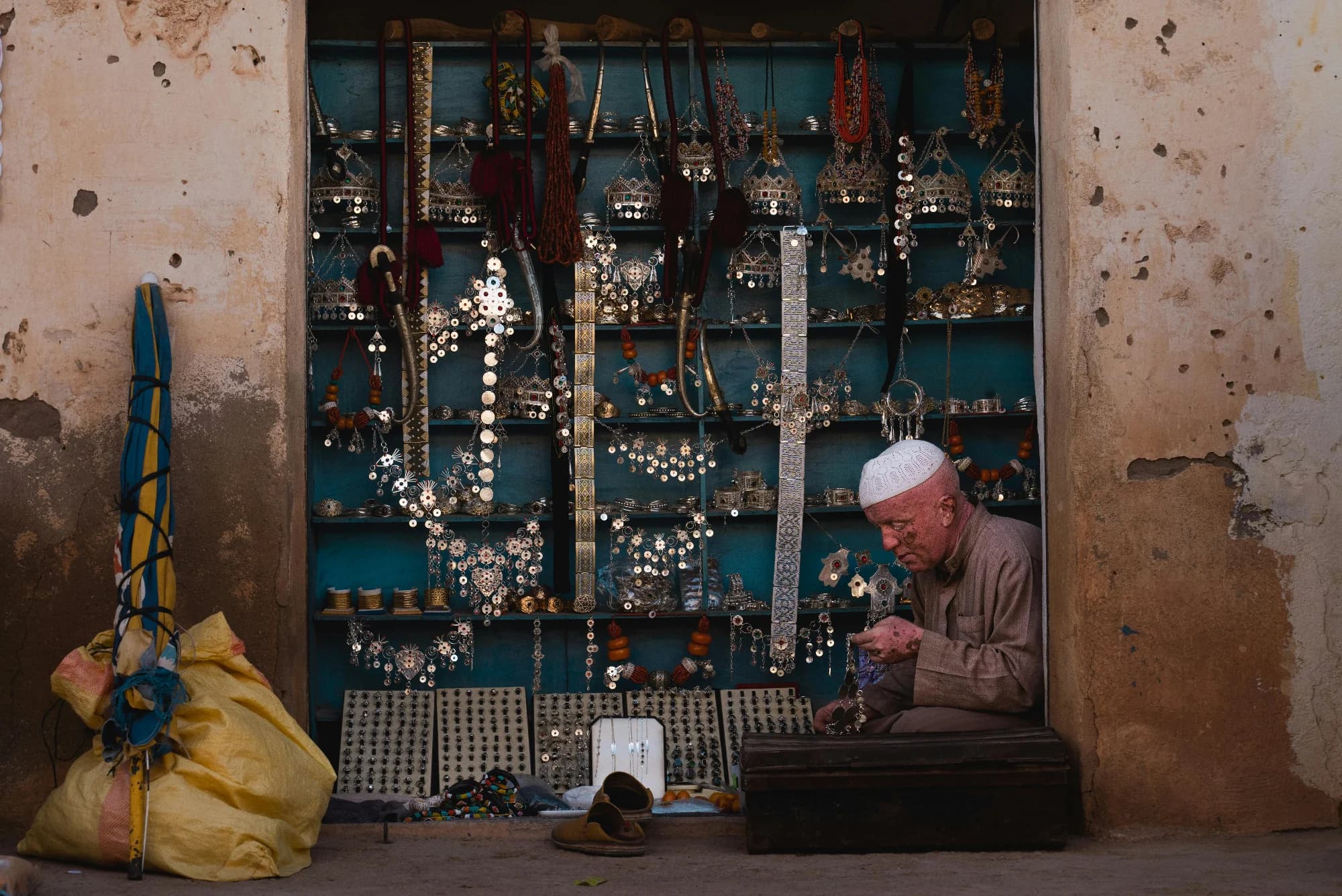
A carpet weaver who makes pieces for family use, direct buyers, or trusted local relationships.
A fisherman in Essaouira repairing nets before sunrise.
A desert driver who knows the tracks because his family has lived near them for generations.
A Zagora family discussing how to keep daughters in school when transport is difficult.
A local music gathering that exists because the community values it, not because tourists paid for a performance.
A university student in Fes studying religious law, literature, engineering, or languages while walking through one of the oldest urban environments in the world.
A harvest season in the Draa Valley, when families work in palm groves and olive groves.
A small café where locals watch football and drink coffee, far from the main tourist square.
A neighborhood hammam where the ritual is part of weekly life, not a spa treatment designed for visitors.
Real Morocco is not always polished. It may be noisy, slow, funny, complicated, generous, crowded, quiet, dusty, formal, relaxed, traditional, modern, and surprising all in the same day.
That is what makes it real.
It does not exist to match a visitor’s expectation. It exists because people live there.
The Difference Is Not Always Geography
Many travelers assume that to find the “real Morocco,” they must go far away from famous cities.
Sometimes that helps.
Rural markets, mountain villages, desert communities, and smaller towns can offer less tourist-shaped experiences. But the difference between tourist Morocco and real Morocco is not always about distance.
You can experience tourist Morocco in a remote-looking place if the encounter is staged only for visitors.
You can experience real Morocco in the middle of Marrakech if you are invited into the right home, workshop, bakery, or neighborhood through someone trusted.
In Fes, two travelers can walk down the same street and have completely different experiences. One may be taken to commission shops and given a quick explanation of monuments. Another may meet a craftsman whose family has worked in the same trade for generations, visit a real neighborhood oven, understand the structure of the medina, and sit for tea with someone connected to their guide.
Same city.
Different access.
In the Sahara, one traveler may experience a rushed camel ride, a generic dinner, and a crowded camp. Another may travel deeper into the desert, meet a local family respectfully, learn about nomadic routes, spend time with a trusted desert team, and experience real silence.
Same desert.
Different design.
In the Atlas Mountains, one traveler may stop for photos of a village from the road. Another may walk with a local guide, share lunch with a family, learn how water, agriculture, migration, and schooling shape daily life, and leave with a more human understanding of the region.
Same mountains.
Different relationship.
This is why MSITravels focuses on access, not only destinations.
Access and Trust: The Real Key to Authentic Morocco
Real Morocco opens through trust.
This is the most important point.
A family does not welcome travelers into their home simply because a tour company wants to advertise authenticity. An artisan does not pause serious work for strangers unless the visit is respectful and properly introduced. A village does not want guests who arrive only to take photos and leave. A local festival is not automatically a tourist attraction.
Trust is built slowly.
It comes from relationships between guides, families, communities, artisans, drivers, riad owners, cooks, and local hosts. These relationships are not created overnight. They are built through repeated respect, fair payment, good communication, cultural sensitivity, and the understanding that local people are not props in a traveler’s story.
This is where a locally rooted Moroccan tour operator makes a major difference.
MSITravels has spent years building relationships across Morocco: with guides in Fes and Marrakech, desert teams in the Sahara, families in the Atlas Mountains, communities in southern Morocco, artisans, women’s cooperatives, riad owners, musicians, cooks, and local experts.
These relationships allow us to create experiences that feel genuine rather than staged.
Not every client wants the same level of immersion. Some travelers prefer comfort and iconic highlights. Others want deep cultural access. Many want a balance of both. Our role is to design the right journey for each traveler while protecting the dignity of local hosts.
Authenticity should never be forced.
The best real Morocco experiences feel natural, respectful, and human.
Why Tourist Morocco Exists
Tourist Morocco exists because visitors need structure.
A first-time traveler arriving in Marrakech may not know where to go, what to eat, how to navigate, how to bargain, what to avoid, how to dress, where to find real artisans, or how to identify a licensed guide. Tourism infrastructure helps solve these problems.
It creates:
Hotels and riads that understand international guests.
Guided tours in common languages.
Restaurants with accessible menus.
Transport routes between major destinations.
Desert camps with comfort facilities.
Museums, workshops, and experiences adapted for visitors.
This infrastructure is useful. Without it, Morocco would be much harder for first-time travelers.
The problem is not that tourist Morocco exists.
The problem is when tourism infrastructure becomes a wall that prevents travelers from seeing anything deeper.
Some operators keep visitors inside the easiest, most profitable version of Morocco because it is simple to manage. Commission shops are easy. Tourist restaurants are easy. Standard photo stops are easy. Generic cooking classes are easy. The same itinerary repeated for every group is easy.
Real Morocco requires more care.
It requires listening.
It requires customization.
It requires guides with integrity.
It requires saying no to some commercial arrangements.
It requires protecting local relationships.
It requires matching travelers with experiences that suit their interests and behavior.
That is why not every tour company can provide it.
Tourist Morocco Is Not Always Bad
It is important to be fair.
Some travelers speak about tourist experiences as if they are automatically inferior. That is too simple.
A beautifully restored riad may be designed for tourists, but it can still preserve Moroccan architecture and support local staff.
A cooking class may be adapted for visitors but still teach real recipes and support Moroccan cooks.
A desert camp may be built for tourism but still employ local teams and give guests a powerful experience.
A craft shop may sell to tourists but still work with genuine artisans.
A guided visit to Majorelle Garden, Bahia Palace, Ait Benhaddou, or Chefchaouen may be popular but still completely worth doing.
The goal is not to avoid every famous or tourist-friendly experience.
The goal is to choose well.
Tourist Morocco becomes problematic when it is dishonest, exploitative, commission-driven, culturally shallow, or presented as “authentic” while being staged only for sales.
The best Morocco itinerary includes iconic highlights but handles them with honesty and depth.
You can visit Marrakech’s famous sites and also experience a family kitchen.
You can shop in the souks and also meet a real artisan.
You can stay in a beautiful riad and also understand the neighborhood around it.
You can ride camels in the Sahara and also learn about desert communities.
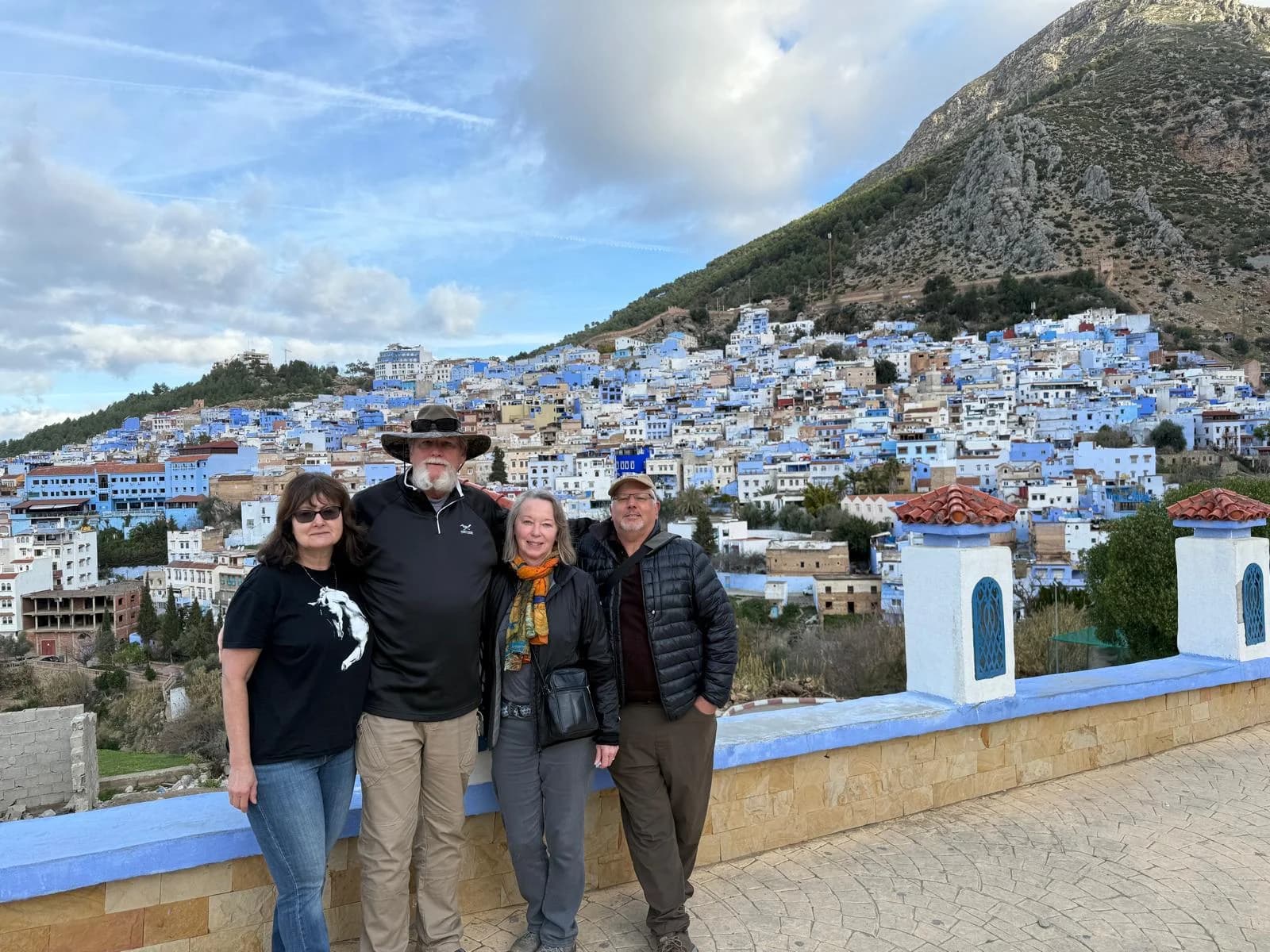
You can visit Chefchaouen’s blue streets and also discuss local life beyond photography.
Balance matters.
How Tourist Traps Happen in Morocco
Tourist traps usually happen when travelers lack information, confidence, or trusted local support.
A common example is the commission shopping route. A guide, driver, or unofficial helper takes travelers to a carpet shop, leather shop, spice shop, argan cooperative, or souvenir store. The presentation may be charming. Tea is served. The traveler is told there is no pressure. But prices may be inflated to include commissions.
This does not mean all carpet shops or craft stores are dishonest. Morocco has extraordinary artisans and many reputable shops. The issue is transparency. If the visit is shaped by hidden commission, the traveler is not receiving neutral guidance.
Another tourist trap is the unofficial guide. A stranger approaches visitors in the medina and says they need help. He may say the road is closed, the monument is closed, or he can show a secret place. The traveler follows and later faces pressure for payment or shopping.
Another example is the staged “family visit” where travelers are brought into a setting that exists mainly for tourist performance. The tea may be real, the home may be real, but the encounter may feel scripted, rushed, or commercial.
There are also restaurants that exist primarily for tour groups, shops with inflated starting prices, photo stops where visitors are pressured to pay, and experiences advertised as local but designed almost entirely for foreign expectations.
A good tour operator helps travelers avoid these situations without making them fearful. Morocco is not a trap. It is a wonderful country with a tourism economy like many popular destinations. You simply need the right guidance.
How MSITravels Helps Travelers Reach Real Morocco
MSITravels was built to bridge the gap between tourist Morocco and real Morocco.
We do this through several practical choices.
1. Locally Rooted Guides
The right guide matters more than almost anything else. A guide with real community roots can explain culture from the inside, introduce travelers respectfully, avoid commission-driven experiences, and adjust the journey based on the traveler’s interests.
MSITravels works with guides who are knowledgeable, ethical, and connected to the places they guide.
2. Family-Run Accommodation
Where possible, we prioritize locally owned riads, kasbahs, guesthouses, and boutique stays. These properties help travelers experience Moroccan hospitality while keeping more value in the local economy.
A large international hotel may be comfortable, but it often separates travelers from local atmosphere. A well-chosen riad can become part of the cultural experience.
3. Real Food Experiences
Moroccan food is best understood through homes, markets, riads, family kitchens, local restaurants, and carefully selected food experiences. MSITravels can arrange cooking classes, family meals, market visits, and traditional meals that go beyond generic tourist menus.
4. Ethical Artisan Encounters
We help travelers meet artisans, cooperatives, and workshops where the focus is on craft, not pressure. If shopping is desired, we help make it transparent and respectful.
5. Rural and Community Experiences
When the itinerary allows, we include Atlas villages, desert communities, rural souks, family lunches, and local markets. These experiences are arranged with care so they do not feel intrusive.
6. Flexible Private Itineraries
Real Morocco cannot always be experienced on a rigid bus schedule. Private tours allow time for unexpected conversations, local invitations, market days, seasonal events, and adjustments based on what is happening on the ground.
7. Responsible Travel Values
MSITravels believes travel should support local people, respect culture, and create meaningful benefit. Our approach includes local employment, community connection, artisan support, and initiatives such as girls’ education support in rural Zagora.
How to Access Real Morocco: Practical Steps for Travelers
Travelers can make choices that help them experience a deeper Morocco.
Stay in Locally Owned Riads and Guesthouses
Accommodation shapes your experience. A family-run riad can connect you to the city in a way a large hotel often cannot. Riad owners and staff may share stories, recommend local places, explain traditions, and create a more personal atmosphere.
Use Licensed and Ethical Guides
A guide should not only know facts. They should have integrity. Ask whether your guide receives commissions. Choose guides who are licensed, experienced, and recommended by trusted sources.
Eat Where Locals Eat
Not every meal needs to be fancy. Ask your MSITravels guide where they would eat with their own family. Some of the best meals happen in small restaurants, family kitchens, roadside stops, or homes.
Visit Rural Markets
A rural souk is very different from a tourist medina souk. It may sell vegetables, spices, livestock, tools, clothes, household items, and food for local families. Visiting on market day gives travelers a real view of local life.
Be Open to Family Visits
A family visit can be one of the most meaningful experiences in Morocco when arranged respectfully. It should not feel like a performance. It should feel like a meeting.
Travel Outside Peak Crowds
Shoulder seasons often make real Morocco more visible because there are fewer tourists. March, November, early December, late January, and February can be excellent for more personal experiences.
Learn Basic Cultural Etiquette
Small efforts matter. Learn greetings. Dress modestly in traditional areas. Ask before taking photos. Accept tea respectfully when appropriate. Understand that time may move differently.
Avoid Commission-Based Shopping
If you want to shop, tell your guide clearly what you are interested in and ask for transparent, reputable places. Do not feel pressured to buy because tea was served.
Allow Time for the Unexpected
Real Morocco often appears in unscheduled moments: a conversation, a road stop, a family invitation, a market scene, a guide’s story, or a local event. Overpacked itineraries leave no space for these moments.
Examples of Real Morocco Experiences
A Family Lunch in the Atlas Mountains
Instead of a restaurant lunch designed for tourists, your family may be welcomed into a local home through a trusted relationship. You sit on cushions, drink mint tea, taste homemade bread, and learn how daily life works in the mountains.
The value is not only the food. It is the human exchange.
A Workshop with a Real Artisan in Fes
Rather than a quick stop at a shop, you visit a craftsperson whose work is part of a living tradition. You learn how cedar is carved, how zellige is cut, how leather is treated, or how metalwork is shaped.
You may not buy anything. That is fine.
The point is understanding.
A Rural Souk on Market Day
You walk through a market where local people are buying what they need for the week. It is not arranged for tourists. It is practical, social, noisy, and fascinating.
Your guide helps explain what is being sold, how bargaining works, and how rural economies connect to wider Moroccan life.
A Desert Community Encounter
In southern Morocco, a respectful encounter with desert families or local hosts can help travelers understand the Sahara beyond dunes and camps. You may learn about schooling, water, migration, nomadic heritage, and how desert life has changed.
A Home Cooking Experience
Instead of a polished class in a professional kitchen, you may cook with a Moroccan host in a family setting. You learn recipes, but also daily habits: how bread is handled, how spices are used, how tea is served, how meals are shared.
An Essaouira Music Moment
Essaouira is known for Gnawa music, but not all music experiences are equal. A real connection may involve meeting musicians, understanding the spiritual and African roots of the tradition, and experiencing music as culture rather than background entertainment.
What Real Morocco Costs
Access to real Morocco does not necessarily cost more than tourist Morocco.
It requires the right structure.
A private 10-day MSITravels Morocco tour may generally range from approximately $2,400 to $3,800 per person depending on season, accommodation level, route, room category, and inclusions.
This can include private transport, professional driver or driver-guide, selected licensed local guides, boutique accommodation, desert camp, breakfasts, selected dinners, and carefully arranged cultural experiences.
The main investment is quality.
A cheap unlicensed guide may seem like a bargain, but if the day becomes a commission shopping circuit, the real cost may be higher than hiring a professional. A knowledgeable, ethical guide may cost more per day, but the experience improves dramatically.
Similarly, a family-run riad may cost more than a basic hotel outside the medina, but it adds atmosphere, hospitality, location, and cultural value.
Real Morocco is not about luxury only.
It is about thoughtful access.
You can experience real Morocco on a comfort-level tour, a premium itinerary, a family trip, a honeymoon, or a small group journey.
The key is not simply budget.
The key is who designs the trip and why.
Common Tourist Traps and How to Avoid Them
Commission Carpet Shops
Carpet shopping can be wonderful in Morocco. Moroccan carpets are beautiful, meaningful, and connected to regional identity. But commission-based visits can lead to inflated prices and pressure.
How to avoid it: ask to visit reputable cooperatives, direct artisan sources, or transparent shops. Make sure shopping is optional.
Fake “Local” Experiences
Some experiences are advertised as authentic but are repeated for tourists several times a day. They may still be pleasant, but they should not be presented as spontaneous local life.
How to avoid it: book through a trusted operator that explains what is genuinely local, what is adapted for visitors, and what is staged.
Unofficial Medina Guides
People may approach travelers offering help. Some may lead you to shops or demand money.
How to avoid it: use a licensed guide arranged in advance. Decline unsolicited help politely and confidently.
Inflated Souk Prices
Bargaining is part of Moroccan shopping, but tourist-facing shops may start very high.
How to avoid it: shop with guidance, compare prices, avoid emotional pressure, and only buy what you truly want.
Restaurant Stops Designed for Tour Groups
Some restaurants survive on volume rather than quality.
How to avoid it: ask your guide where locals eat, where food is freshly prepared, and which places match your comfort level.
Photo-Only Village Stops
A village should not be treated as scenery.
How to avoid it: visit only where there is a respectful relationship, a clear reason, and local consent.
How to Balance Comfort and Authenticity
Some travelers worry that “real Morocco” means giving up comfort.
It does not.
A meaningful Morocco trip can include beautiful riads, private vehicles, excellent food, quality guides, luxury desert camps, and carefully arranged experiences while still remaining authentic.
Authenticity is not discomfort.
Authenticity is honesty.
A luxury riad can be authentic if it preserves Moroccan design, supports local staff, and connects guests to the city.
A private tour can be authentic if it allows real encounters rather than isolating guests.
A desert camp can be authentic if it respects the landscape, employs local teams, and does not reduce Saharan culture to decoration.
A family meal can be authentic if it is respectful, fairly arranged, and not staged as poverty tourism.
A guided tour can be authentic if the guide explains both beauty and complexity.
The best travel is not about choosing between comfort and depth. It is about combining them intelligently.
That is what MSITravels aims to do.
Why First-Time Visitors Need Both Versions
A first-time Morocco traveler should not feel guilty about enjoying famous experiences.
You should see Marrakech’s energy.
You should admire Bahia Palace.
You should walk through Fes medina.
You should photograph Chefchaouen.
You should watch sunset in the Sahara.
You should enjoy a beautiful riad.
You should taste tagine and mint tea.
These are famous for a reason.
The problem is not visiting highlights.
The problem is stopping there.
Tourist Morocco gives you the introduction.
Real Morocco gives you the understanding.
Together, they create a richer journey.
For example, Marrakech becomes more meaningful when you see both the famous square and a local bakery. Fes becomes more powerful when you see both the tanneries and a family workshop. The Sahara becomes deeper when you see both the dunes and the people who live near them. The Atlas Mountains become more human when you see both the scenery and the family home.
The best MSITravels itineraries do not reject iconic Morocco. They place it in context.
Expert Insight from Aziz, Founder of MSITravels
“I am Moroccan, and the Morocco I know is not hidden. It is everywhere. It is in the family kitchen, the village market, the desert road, the craftsman’s hands, the music at night, the way tea is served, and the way people welcome a guest.
But for a visitor, this Morocco is not always easy to access alone. You need trust. A family must know who is bringing you. An artisan must believe you are there with respect. A village must feel that your visit is not just for photos. These things cannot be created by marketing words.
When I built MSITravels, I wanted travelers to see Morocco beautifully, but also honestly. Yes, see Marrakech. Yes, see the Sahara. Yes, stay in a beautiful riad. But also meet the people, understand the culture, and see what exists behind the tourist route.
Real Morocco is not perfect, and that is why it is real. It is generous, complicated, proud, changing, traditional, modern, and full of life. When travelers experience that, they do not just say Morocco is beautiful. They say Morocco touched them.”
What MSITravels Clients Say About Real Morocco
“We traveled to Morocco twice — once with a standard tour operator and once with MSITravels. The first trip was good. The second trip was life-changing. Some of the cities were the same, but the experience was completely different. Our MSITravels guide took us to a family home in Fes, introduced us to a carpet weaver outside the normal tourist shops, and brought us to a local festival that was not in any guidebook. That was the Morocco we had hoped to find.”
— Sarah & David K., Vancouver, Canada
“We loved the famous places, but the moments we still talk about were the quiet ones: lunch with a family in the mountains, bread from a neighborhood oven, tea with our desert driver’s friends, and a workshop in Fes where no one pressured us to buy anything. MSITravels helped us feel like guests, not just customers.”
— MSITravels private tour clients, USA
“Tourist Morocco is beautiful. Real Morocco is unforgettable. We needed both, and MSITravels knew how to balance them.”
— MSITravels clients, UK
Final Advice: How to Experience the Real Morocco
The real Morocco is not found by avoiding every famous place. It is found by traveling with the right people, asking better questions, slowing down, and choosing experiences based on trust rather than convenience alone.
Stay in locally owned riads.
Use ethical guides.
Eat in places with real local connection.
Visit rural markets.
Meet artisans respectfully.
Accept that not everything needs to be staged.
Leave room for surprise.
Choose a tour operator that values relationships more than shortcuts.
Morocco is one of the most rewarding countries in the world because it offers both beauty and depth. The tourist version may give you the photographs you expected. The real version gives you the memories you did not know you needed.
MSITravels has guided more than 4,000 travelers from the USA, Canada, the UK, and beyond through Morocco. We specialize in private Morocco tours, small group tours, Sahara Desert experiences, family journeys, senior-friendly itineraries, women-only tours, honeymoon packages, wellness retreats, student adventures, and tailor-made travel rooted in local connection.
If you want to experience Morocco beyond the surface, visit MSITravels.com and contact our team. We would be honored to design a journey that introduces you not only to Morocco’s famous places, but to the people, stories, and moments that make the country unforgettable.
MSITravels Team
Travel enthusiast and Morocco expert, sharing insights and stories from years of exploring Morocco's hidden gems and iconic destinations.
Ready to Explore Morocco?
Choose the experience that fits you best
Private Tour
A fully tailored Morocco experience crafted exclusively for you and your group.
View Private ToursSmall Group Tour
Join a curated group of like-minded travellers and discover Morocco together.
View Group ToursCustom Tour
Tell us your dream trip and we'll build a bespoke Morocco itinerary from scratch.
Tailor Your TourExplore More Stories
Discover more travel tips and inspiration for your Moroccan adventure
View All Articles