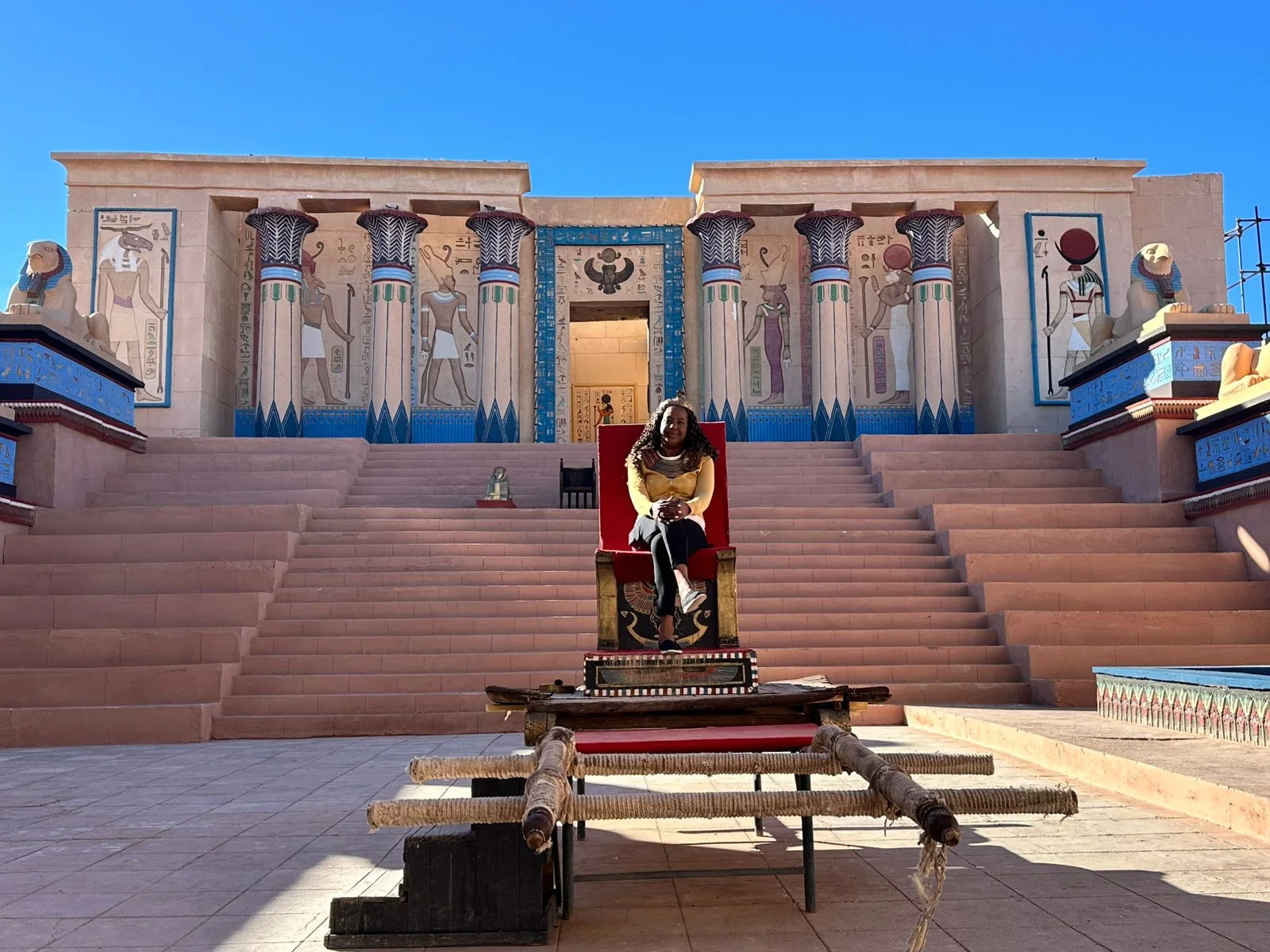
At the crossroads of the High Atlas and the Sahara, Ouarzazate stands as Morocco’s cinematic and cultural gateway. Its name, meaning “without noise” in Berber, evokes the serene majesty of a city surrounded by mountains, desert plains, and historic kasbahs. Known as the “Hollywood of Morocco,” Ouarzazate has inspired countless films, while its ancient forts and kasbahs preserve stories of desert caravans, Berber heritage, and Saharan trade routes. On a Morocco tour with MSITravels, Ouarzazate invites travelers to explore Atlas Mountains landscapes, historic kasbahs, and the world-famous film studios where Moroccan scenery becomes epic cinema backdrops. Venture along the Sahara Gateway to Merzouga, Zagora, or M’Hamid, experiencing camel trekking, desert camps, and panoramic desert vistas. Ouarzazate is ideal for travelers seeking southern Morocco tours, Berber culture exploration, desert photography, and Atlas trekking, or those coming from Marrakech, Zagora, or M’Hamid to connect city life with desert adventure.
35–42°C (95–108°F)
5–18°C (41–64°F)
September–May
Very low
Ouarzazate Morocco is best known for its UNESCO-listed kasbahs and cinematic history. Aït Ben Haddou Kasbah, a UNESCO World Heritage site, offers iconic photography opportunities and has appeared in numerous films and series. Taourirt Kasbah in the city provides insight into traditional Berber architecture and desert trade history. The city is a key gateway to the Sahara Desert, connecting travelers to camel treks, Berber desert camps, and panoramic dunes in Merzouga, Zagora, or M’Hamid. The nearby High Atlas foothills offer hiking, panoramic viewpoints, and authentic Berber village experiences. Local cuisine highlights tagine, couscous, dates, and mint tea, enjoyed in kasbahs, desert camps, or local eateries. Best time to visit Ouarzazate: Spring (March–May) and autumn (September–November) offer mild temperatures ideal for trekking, desert excursions, and photography.
September–May
Known as the “Gateway to the Sahara,” Ouarzazate grew around ancient kasbahs and served as a strategic caravan hub linking the Atlas Mountains to the desert.
Flavors include hearty tagines, couscous, and dates, blending Berber and Saharan culinary traditions.
Famous for its film studios, kasbahs, and Amazigh heritage, Ouarzazate showcases Morocco’s desert culture and cinematic history.


