From Riads to the Sahara: A Refined Guide to Senior-Friendly Morocco
Morocco exists in beautiful contradictions, the hush of a riad courtyard where orange blossoms drift across zellige tilework, and the vast silence of the Sahara where dunes shift in amber waves under an impossibly wide sky. For mature travelers, this is not a destination that overwhelms. It is one that awakens, when experienced through thoughtfully designed senior-friendly Morocco tours that prioritize comfort without sacrificing cultural authenticity.
At MSITravels, we have guided hundreds of senior travelers from the USA, UK, Canada, Europe, and beyond through Morocco's layered landscapes. Our guests don't just see Morocco, they move through it with dignity, curiosity, and the kind of ease that allows genuine connection.
Why Morocco Rewards the Mature Traveler
Morocco offers a rare combination of accessibility and exoticism that few destinations match:
Geographic Proximity with Cultural Distance
From London: 2–3 hours to Marrakech, less time than a flight to Athens, yet worlds apart in sensory experience
From New York: roughly 7 hours direct to Casablanca, shorter than many Asian destinations, with no jet lag for East Coast travelers
Seamless Entry
No visa required for US, UK, EU, Canadian, Australian, and New Zealand passport holders (stays up to 90 days)
No complicated entry forms or vaccination requirements for most travelers
Infrastructure That Respects Privacy
Morocco's private transport network is exceptionally developed for tourism. You will never need to navigate crowded bus stations or decipher Arabic timetables
Professional drivers with well-maintained vehicles (Mercedes V-class, Toyota Land Cruisers) are standard, not luxury
English-speaking certified guides are available in every major city, many trained specifically in senior guest care
A Culture Built on Hospitality
Tbarak Allah alik - "May God bless you" - is not a phrase reserved for special occasions. It is woven into daily interaction
Moroccan guides working with senior travelers often develop genuine protective instincts, walking at your pace, anticipating rest needs, and knowing when to step back and let you absorb a moment in silence
Compressed Geography, Expansive Variety
In a single morning, you can breakfast in Marrakech's palm groves, lunch in the snow-capped High Atlas, and watch sunset over ochre desert
Spring (March–May) and autumn (September–November) offer 65–75°F days, ideal for arthritic joints and steady walking
The Riad: Morocco's Most Intimate Accommodation
A riad is not merely a hotel with Moroccan décor. It is a dar, a traditional courtyard home, reimagined for guests while preserving its soul. For senior travelers, the best riads offer something increasingly rare in modern travel: attentive stillness.
What Makes a Riad Exceptional for Mature Guests
Physical Accessibility
Confirm ground-floor rooms or elevator access before booking. Many restored riads feature rooftop suites accessible only by narrow staircases, charming for younger travelers, impractical for others
Request rooms near the central courtyard to minimize corridor walking
Bathroom Sophistication
Look for walk-in rainfall showers with grab bars (increasingly common in luxury riads) or deep soaking tubs, not the cramped wet rooms found in budget accommodations
Heated towel rails and quality toiletries signal attention to comfort
Climate Control That Works
Moroccan summers exceed 100°F; winters in the mountains drop below freezing. Individual room climate control (not building-wide systems) is essential
The best riads use traditional thick walls for natural insulation, supplemented by modern AC and heating
Location Strategy
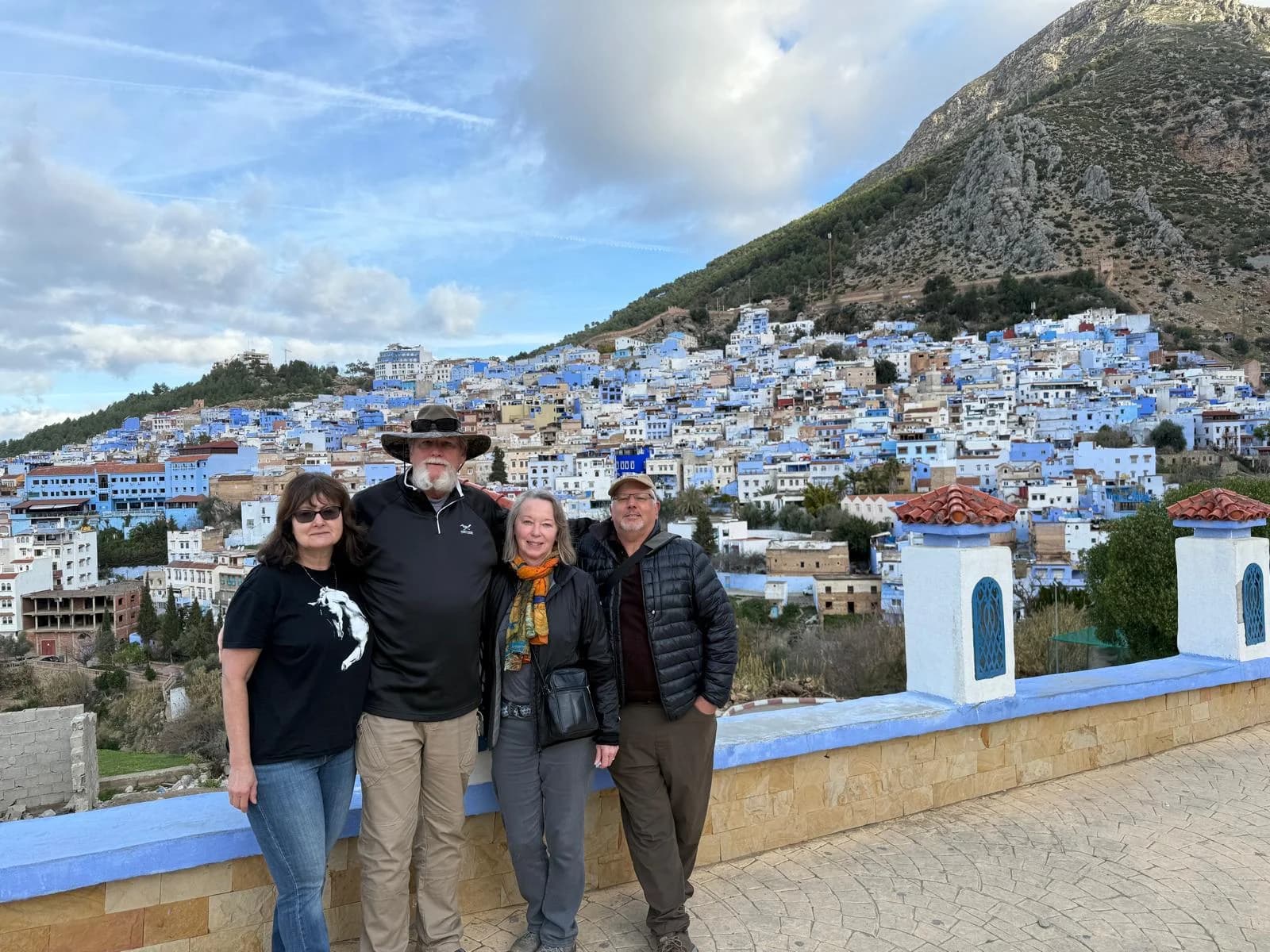
Central medina locations (near Jemaa el-Fna in Marrakech, near the Blue Gate in Fes) minimize the exhausting maze-walking required to reach main sites
However, riads on medina edges offer easier vehicle access, your driver can stop closer, reducing the final walk through crowded alleys
Culinary Considerations
On-site restaurants eliminate the need to navigate medina dining after dark
The finest riads offer private courtyard dining, your own table under lantern light, with menus adapted to dietary needs (low-sodium, diabetic-friendly, gluten-free options are increasingly standard)
A Hidden Riad Secret
The most senior-friendly riads employ hammam therapists who can arrange in-room treatments. After a day of medina exploration, a private argan oil massage in your own suite - rather than navigating to a public hammam - transforms recovery into indulgence.
The Sahara: Accessible Immensity
The desert intimidates many senior travelers unnecessarily. With proper planning, the Sahara becomes not a physical challenge but a spiritual exhale.
The Journey There
Vehicle Comfort
The road from Marrakech to Merzouga (the primary Sahara access point) spans 350 miles and 8–9 hours. This is not done in one push
Private 4x4 vehicles or luxury minivans with reclining seats, climate control, and regular stops transform the drive into a scenic progression through changing Morocco, the red earth of the Haouz plain, the dramatic Tizi n'Tichka pass, the kasbahs of the Draa Valley
Strategic Overnight Stops
Break the journey at Ait Benhaddou (UNESCO kasbah, familiar from films like Gladiator and Game of Thrones) and the Dades or Todgha Gorges
These stops serve dual purpose: they prevent travel fatigue while layering in extraordinary sites you would otherwise miss
The Desert Experience Itself
Camp Sophistication
Modern luxury desert camps offer proper beds with quality linens (not sleeping bags on mats), en-suite bathrooms with flush toilets and hot showers, and heating for cold desert nights (temperatures can drop to 40°F even in spring)
Some camps now feature mobility-accessible tents with level entryways and reinforced flooring
Camel Rides: Optional, Not Obligatory
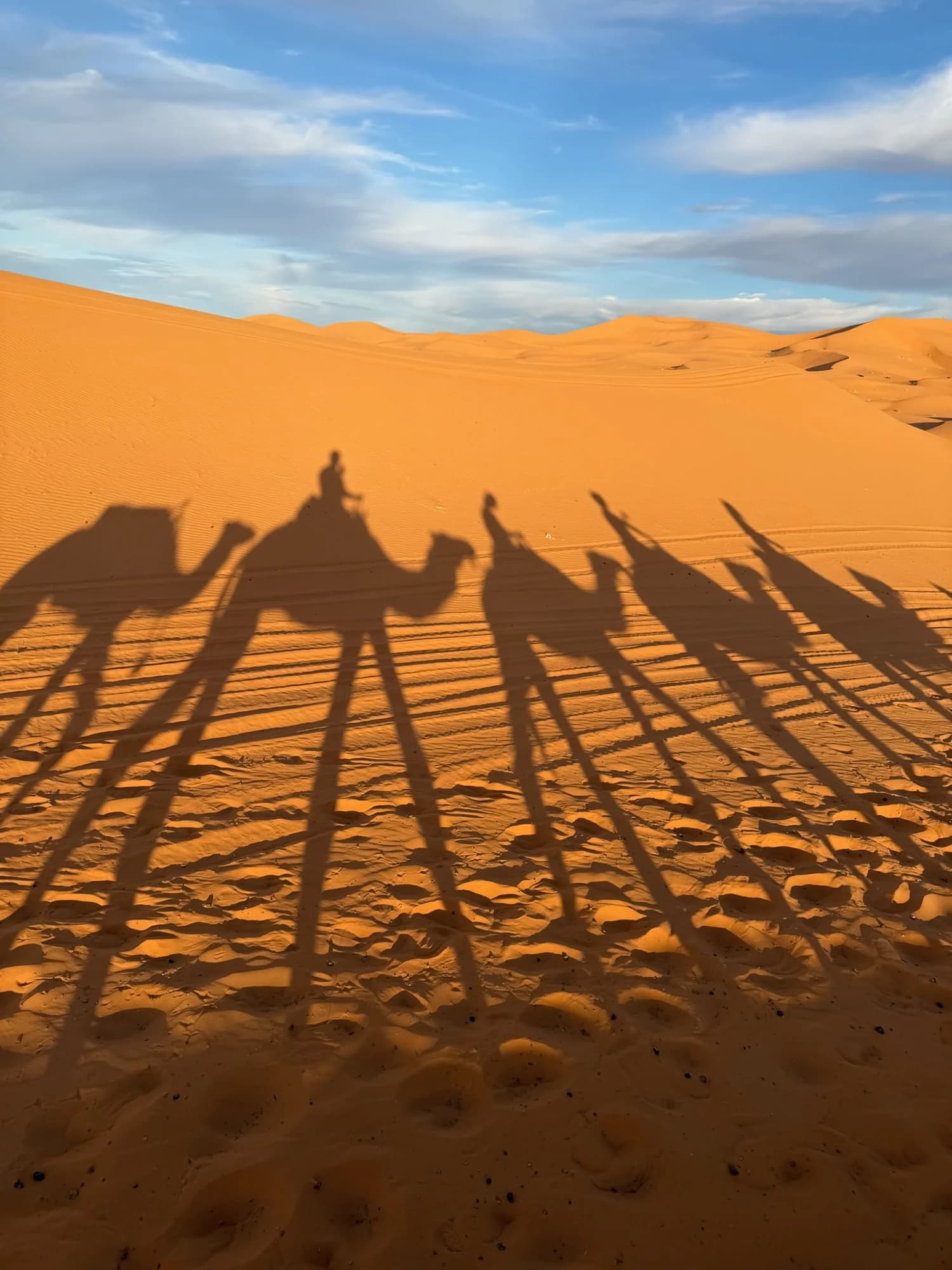
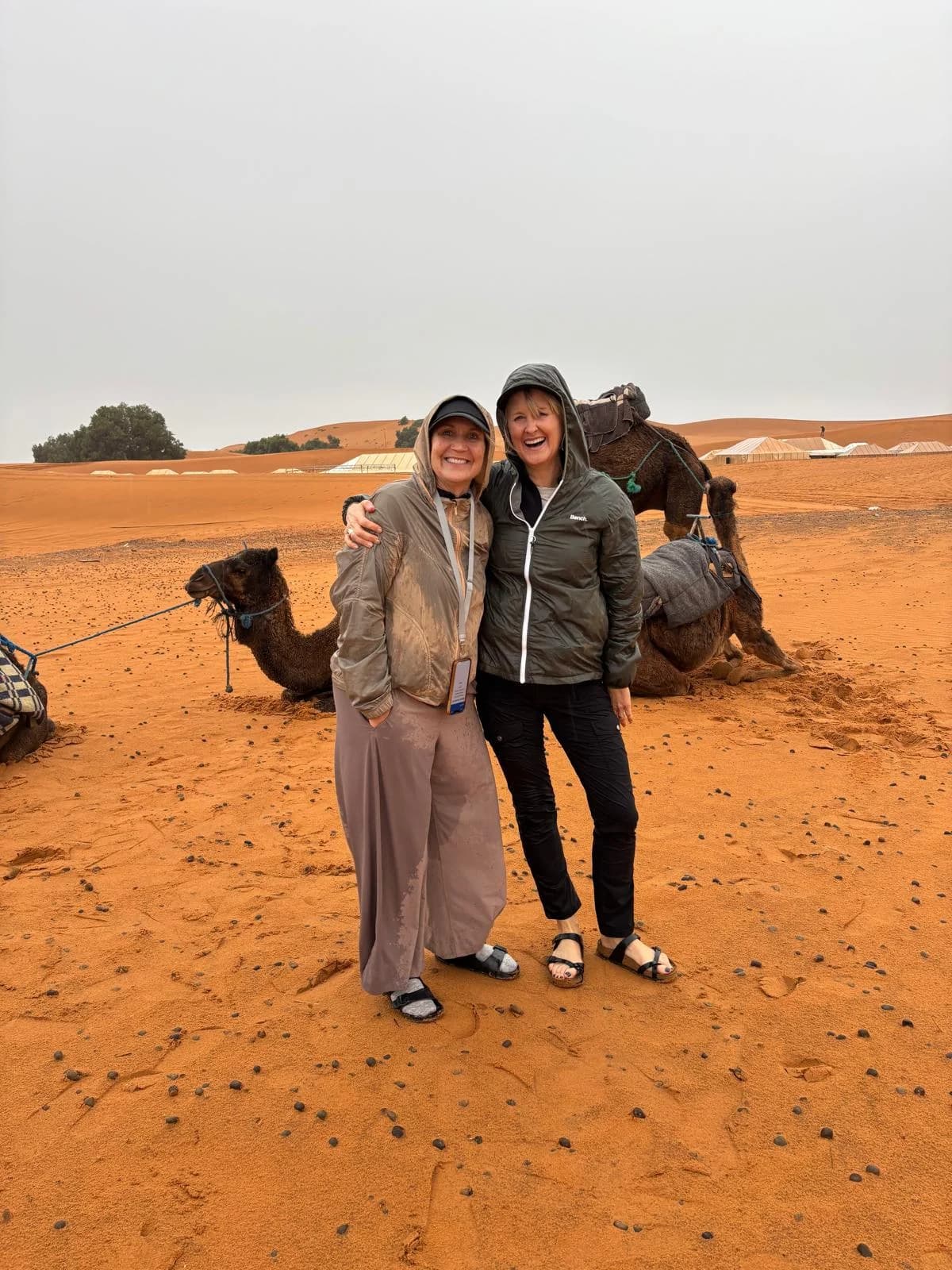
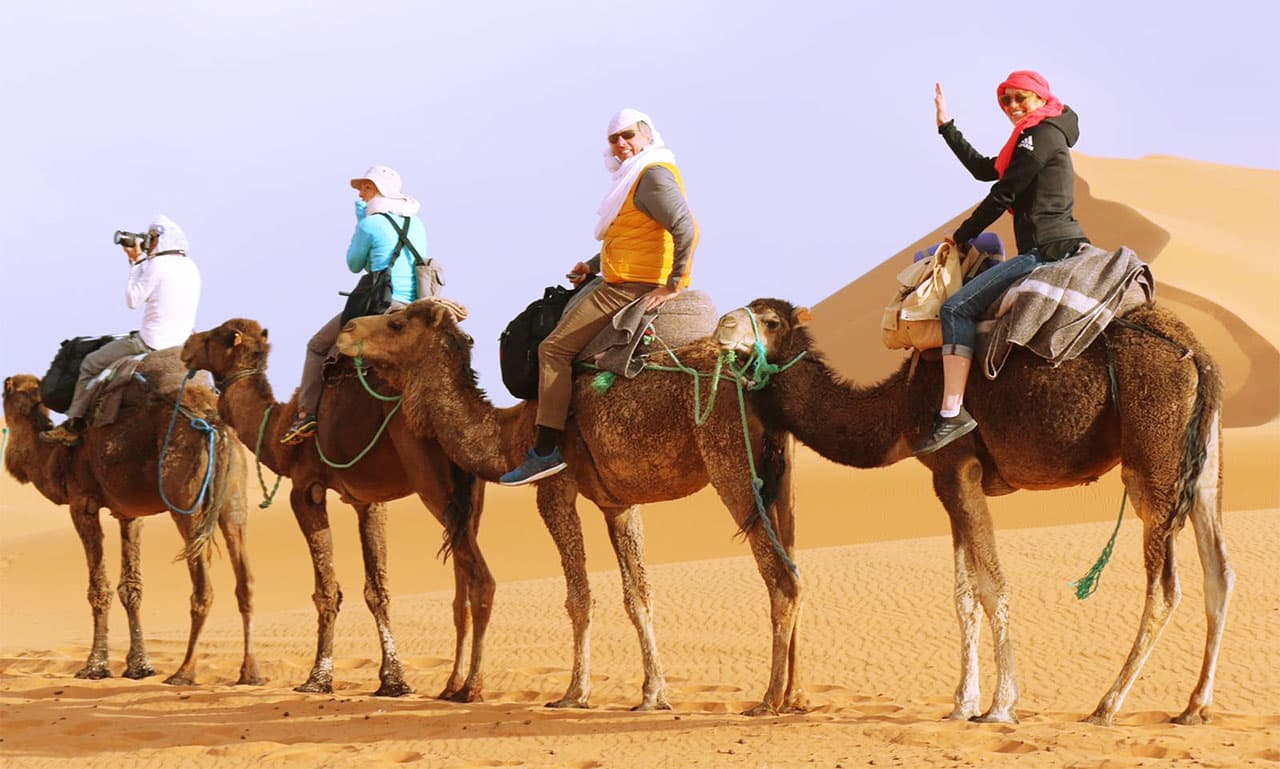
A short camel trek (15–30 minutes) to a sunset viewpoint is entirely feasible for most seniors, the camels are kneeling for mounting, and handlers provide full assistance
Vehicle-based alternatives are equally magical: your 4x4 drives to a private dune viewpoint with chairs, mint tea, and silence
The most important thing: never feel pressured. The desert rewards those who simply sit with it
Dawn in the Dunes
Sunrise over the Sahara is non-negotiable. The best camps wake guests gently with tea, and the walk to the viewing dune is short and supported
The light at 6 AM transforms the dunes from rust to rose to gold — a photographer's dream, but more importantly, a moment of profound peace
Imperial Cities: Depth Without Depletion
Morocco's imperial cities - Marrakech, Fes, Meknes, Rabat - contain some of the world's most intact medieval urban environments. They are also labyrinthine, crowded, and sensory-intense. The key is curated immersion.
Marrakech: Controlled Chaos
The Medina Strategy
Morning-only walking tours (8 AM–12 PM) avoid both crowds and peak heat
A private guide doesn't just navigate, they create rhythm. Every 20–30 minutes, a planned stop: a hidden courtyard for mint tea, a rooftop terrace for panoramic breathing space, a fondouk (historic inn) converted to artisan workshop for seated demonstration
Site-Specific Recommendations
Majorelle Garden: Arrive at opening (8 AM). The cobalt villa and bamboo groves are peaceful before tour groups arrive. Wheelchair-friendly paths. The on-site café offers excellent rest
Bahia Palace: Ground-floor focused. The intricate cedar ceilings and zellige courtyards are visible without climbing. Less crowded than the Badi Palace ruins
Jemaa el-Fna: Experience from a rooftop restaurant at sunset rather than ground level. You absorb the energy - storytellers, musicians, food stalls - from comfortable elevation with a glass of wine
The Hammam as Cultural Experience
Skip the tourist hammams. The best riads offer private spa sessions that include the full ritual: black soap exfoliation, rhassoul clay treatment, and argan oil massage, performed by trained therapists in a serene setting, not a steamy public bath
Fes: The Living Medieval City
Fes el-Bali (Old Fes) is the world's largest car-free urban area, and potentially the most disorienting. A private guide is not optional; it is essential for senior visitors.
The Fes Approach
Divided exploration: The medina is too vast for one day. Split between two mornings, with afternoons at your riad or the modern Ville Nouvelle
Route planning: Your guide should prioritize the tanneries (viewed from leather shops with balconies, no need to descend to the pits), the Bou Inania Madrasa (stunning zellige, manageable stairs), and the Nejjarine Museum (excellent woodwork collection, seated viewing)
Artisan quarters: Fes is still a working craft city. Watch copper engravers and weavers at seated workstations, these are living demonstrations, not performances
Rest as Infrastructure
Fes's fondouks and riads have opened their courtyards as hidden cafés. Your guide should know which ones welcome quiet visitors for tea and pastries away from the medina's crush
A Refined 10-Day Senior-Friendly Itinerary
This itinerary prioritizes pacing over packing, with strategic rest days and minimal one-night stays (the most exhausting aspect of travel).
Days 1–3: Marrakech — Arrival and Acclimation
Why three nights? Jet lag recovery, climate adjustment, and the city deserves unhurried exploration
Day 1: Arrival transfer to riad. Light afternoon: Majorelle Garden, followed by private hammam at your accommodation. Early dinner, early sleep
Day 2: Morning medina tour with private guide (Bahia Palace, souks, hidden courtyards). Afternoon at leisure, rooftop terrace, pool, or rest. Evening: rooftop dinner overlooking Jemaa el-Fna
Day 3: Morning at leisure or optional Majorelle-YSL Museum (excellent, air-conditioned, manageable). Afternoon: cooking class in a riad kitchen, seated, participatory, with a meal to follow
Day 4: Atlas Mountains — Day Excursion
Imlil or Ourika Valley: 1.5 hours from Marrakech
Visit a Berber family home for mint tea and bread-making demonstration, genuine cultural exchange, not performance
Mountain lunch at a kasbah-style restaurant with panoramic terrace
Return to Marrakech riad for the night (no luggage packing)
Days 5–6: The Road to Sahara - Scenic Transition
Day 5: Depart Marrakech, crossing the Tizi n'Tichka pass (7,415 ft). Stop at Ait Benhaddou for guided exploration and lunch. Continue to Dades Gorge for overnight in a kasbah hotel with gardens and pool
Day 6: Morning walk in Dades (gentle, valley-floor paths). Drive through Rose Valley (visit a cooperative distillery for rose oil, seated demonstration). Continue to Merzouga, arriving late afternoon for sunset and luxury camp overnight
Day 7: Sahara to Fes - The Desert Morning
Sunrise over dunes. Breakfast in camp. Leisurely morning, optional short camel ride or simply absorbing the silence
Midday departure, driving through Todgha Gorge (dramatic canyon walls, easy riverside walking). Continue to Fes, arriving evening
Days 8–9: Fes - Imperial Depth
Day 8: Full morning medina tour with private guide (tanneries, madrasas, artisan quarters). Afternoon rest at riad. Evening: traditional Fassi dinner at your accommodation
Day 9: Optional Roman ruins at Volubilis (1.5 hours drive, excellent paved paths, stunning mosaics) or Meknes (smaller imperial city, less walking required). Return to Fes for final night
Day 10: Departure
Morning at leisure. Transfer to Fes-Saïss Airport for direct connections to Europe, or overland transfer to Casablanca (3.5 hours) for transatlantic flights
Practical Wisdom for Senior Morocco Travel
Footwear: The medinas feature uneven stone, occasional steps, and narrow passages. Supportive walking shoes with good grip are essential, not sandals, however comfortable
Hydration: The dry climate masks dehydration. Carry water always; your guide should replenish supplies frequently
Pacing: The Moroccan concept of mashi mushkil ("no problem") applies to travel rhythm. Build in afternoon rests. The best experiences happen when you're not rushing
Medications: Bring full supplies plus copies of prescriptions. Pharmacies in major cities are excellent, but specific brands may differ
Communication: Purchase a local SIM card at arrival (inexpensive, good coverage) or ensure your guide provides a local contact number for family peace of mind
Tipping: Part of the culture, not an annoyance. Your tour operator should brief you on appropriate amounts, typically modest but meaningful to recipients
Why This Matters
Morocco is not a country to be observed from a tour bus window. It is a place to be walked slowly, to be sat with over mint tea, to be absorbed through fingertips touching ancient plasterwork and eyes meeting those of artisans still practicing crafts unchanged for centuries.
For senior travelers, the question is not whether Morocco is accessible. It is whether the experience is designed with the wisdom that comes from understanding: the best journeys move at the pace of the traveler, not the itinerary.
At MSITravels, we don't rush our guests through Morocco. We open doors, to riad courtyards where fountains murmur, to desert camps where stars crowd the sky, to medina workshops where a craftsman will pause his chisel to share tea with you.
These are not tourist moments. They are human moments. And they are waiting.
MSITravels Team
Travel enthusiast and Morocco expert, sharing insights and stories from years of exploring Morocco's hidden gems and iconic destinations.
Ready to Explore Morocco?
Choose the experience that fits you best
Private Tour
A fully tailored Morocco experience crafted exclusively for you and your group.
View Private ToursSmall Group Tour
Join a curated group of like-minded travellers and discover Morocco together.
View Group ToursCustom Tour
Tell us your dream trip and we'll build a bespoke Morocco itinerary from scratch.
Tailor Your TourExplore More Stories
Discover more travel tips and inspiration for your Moroccan adventure
View All Articles