Morocco Culture Guide for Thoughtful Travelers
Understand Morocco before you arrive: Amazigh heritage, Islamic customs, medina etiquette, food, music, hammam culture, and the hospitality rituals that shape daily life.
This guide is for travelers who want more than sightseeing. It helps you move through Morocco with confidence, respect, and a deeper eye for what you are seeing.
What defines Moroccan culture?
- Amazigh identity is the indigenous foundation of Morocco, visible in language, crafts, textiles, music, and mountain village life.
- Islam shapes daily rhythm, architecture, hospitality, Ramadan, food customs, and social etiquette.
- Andalusian, Arab, African, French, and Spanish influences give Morocco its layered cities, music, cuisine, and design language.
Six culture themes travelers should understand
These themes help you read Morocco more clearly, from the souks of Marrakech to the villages of the High Atlas.
Amazigh Heritage
Indigenous Morocco
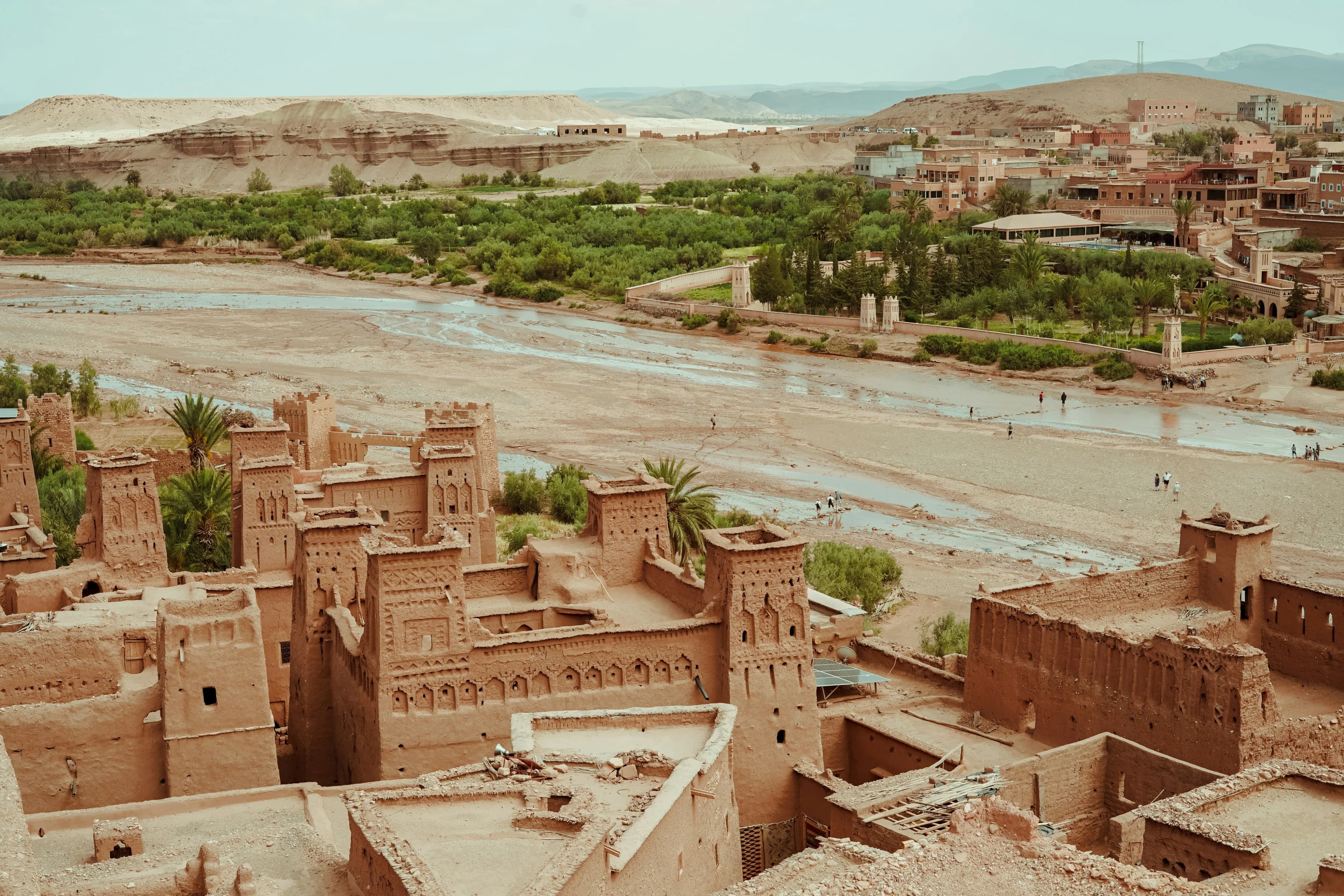
The Imazighen are Morocco's original people. Look for Tifinagh script, silver jewelry, carpets, mountain architecture, and oral poetry.
Mint Tea Hospitality
Welcome ritual
Moroccan mint tea is more than a drink. It is a social invitation, a pause, and one of the clearest expressions of Moroccan generosity.
Medina Etiquette
Old city life
Ask before taking portraits, walk calmly, bargain respectfully, and remember that medinas are living neighborhoods, not open-air museums.
Hammam Culture
Public bath tradition
The hammam is a cleansing ritual and a community institution. A traditional scrub with black soap is one of Morocco's classic experiences.
Food and Shared Meals
Hospitality at the table
Tagine, couscous, dates, bread, olives, and seasonal salads carry regional meaning. Meals are often shared and built around generosity.
Music and Spirituality
Gnawa, Andalusian, Amazigh
Moroccan music ranges from Gnawa trance rhythms to Andalusian orchestras and Amazigh village dances.
